How Textile Recycling Works: Methods, Benefits, And Innovations
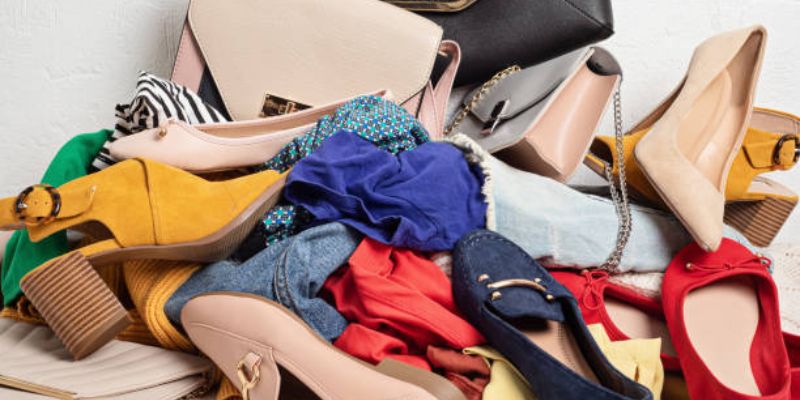
That pile of old t-shirts in your closet is doing more than taking up space—it's a missed chance to help the planet. Instead of tossing them in the trash, let's look at how you can turn that waste into something new and useful right now.
Understanding The Basics Of Textile Recycling
When we talk about textile recycling, we refer to the process of turning old clothing, scraps, or discarded fabrics into raw materials or new products. It is a way to keep trash out of the ground and put it back into the economy. Most people think only of donating wearable clothes to thrift stores, but the industry goes much deeper than that. Even a sock with a hole in it or a stained towel has value if it is handled correctly.
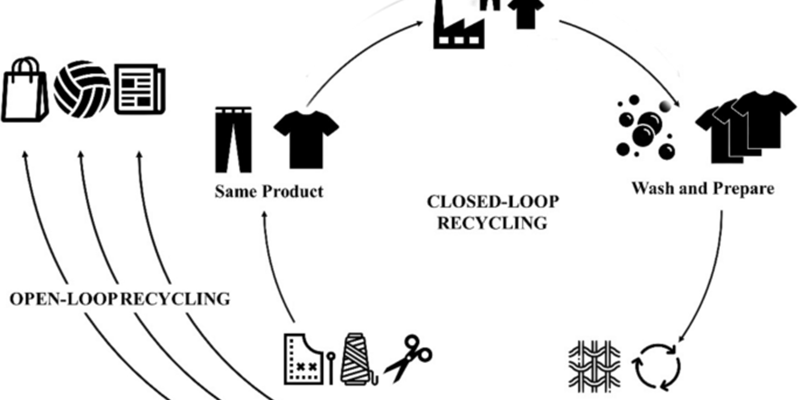
The process usually starts with sorting. Items are grouped by material type—such as cotton, wool, polyester, or blends—and by color. Sorting by color is a smart move because it means the recycled fibers don't always need to be re-dyed, which saves a huge amount of water and harsh chemicals. Once sorted, the fabrics are either mechanically shredded or chemically broken down.
Practical Ways To Recycle Old Clothes And Fabrics
If you want to recycle old clothes, you generally have two main paths: mechanical and chemical. Both have different results and are used for different types of items.
Mechanical Recycling: The Shredding Method
This is the most common way to handle natural fibers like cotton and wool. The clothes are put into a machine that pulls the fabric apart into loose fibers.
The Process: Think of it like a giant comb that shreds the fabric.
The Result: Because the shredding process shortens the fibers, the resulting new yarn is often a bit weaker than the original. To fix this, companies usually mix recycled fibers with new, virgin fibers to ensure the next shirt or blanket is strong enough to last.
Common Uses: If the fibers are too short to be used to make clothes again, they are used for things like car seat stuffing, home insulation, or cleaning rags.
Chemical Recycling: Melting It Down
This method is mainly used for synthetic fabrics like polyester or nylon. Since these are basically types of plastic, they can be melted.
The Process: The fabric is stripped of its dyes and broken down at the molecular level into a liquid.
The Result: This liquid is then spun back into new polyester yarn. The best part about this method is that the quality doesn't drop. You can do this over and over again, and the polyester stays just as strong as when it was first made.
Why it Matters: This helps reduce our need for new oil, which is the main ingredient in most polyester.
Fabric Upcycling And Reuse
Before things get shredded or melted, many organizations look for ways to keep items as they are. Fabric recycling also involves cutting large pieces of old material into smaller, usable items. For example, old denim jeans can be turned into insulation for houses, or old bedsheets can be cut into industrial wiping cloths for factories.
How Modern Tech And AI Are Changing The Industry
The biggest problem in clothing recycling has always been sorting. For a long time, humans had to look at every single tag to see what a shirt was made of. If the tag was cut off, it was a guessing game. Today, new technology is making this much faster and more accurate.
AI And Infrared Sensors
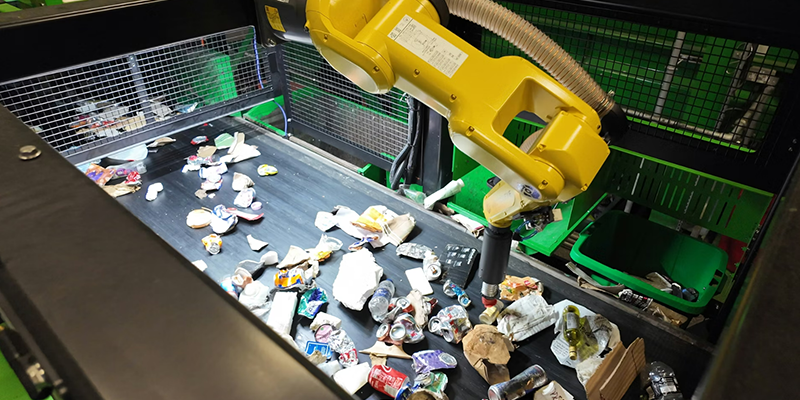
Many modern recycling plants now use Near-Infrared (NIR) sensors. These cameras can capture the fabric's molecular structure as it moves down a conveyor belt. The AI can tell the difference between a 100% cotton shirt and a 50/50 cotton-polyester blend in a fraction of a second. This allows the machines to sort thousands of pounds of clothing per hour with almost no mistakes.
Robotic Sorting Arms
Once the AI identifies the material, robotic arms or air jets push the item into the correct bin. This speed makes textile recycling more profitable for companies, which encourages more cities to start their own programs. When the cost of sorting goes down, the availability of recycling bins for you goes up.
Finding The Best Textile Recycling Near Me
You don't have to be a scientist to help. Finding a place to drop off your old gear is easier than it used to be. If you are searching for textile recycling near me, here are the most effective places to look:
Brand Take-Back Programs: Many large clothing stores now have bins right by the front door. They often take any brand of clothing, not just their own. Some even give you a discount coupon for your next purchase in exchange for your bag of old clothes.
Specialized Recycling Bins: Look for large metal bins in grocery stores or school parking lots. Just be sure to read the label. Some are only for gently used clothes for charity, while others specifically say they accept scraps and torn items for recycling.
Local Sanitation Departments: Check your city's website. Many towns now have designated days for dropping off hard-to-recycle items, including old rugs, curtains, and shoes.
Online Mail-In Services: If you live in a rural area, some companies will send you a pre-paid bag. You fill it with your old scraps and mail it back to them for a small fee or sometimes for free.
What You Can and Cannot Put In The Recycling Bin
To ensure your efforts actually help, you need to prep your items properly. A single moldy towel can ruin an entire batch of fabric recycling.
The Do List
Wash and Dry: Everything must be clean and completely dry. Moisture leads to mildew, which makes the fabric unrecyclable.
Keep Pairs Together: If you are recycling shoes or socks, tie them together or put them in a small bag so they don't get separated.
Include All Textiles: Don't stop at clothes. Think about old curtains, tablecloths, cloth napkins, and even stuffed animals (if they don't have electronic parts).
The Don't List
No Hazardous Waste: If a rag is soaked in motor oil, paint, or harsh cleaning chemicals, it belongs in the hazardous waste bin, not the textile bin. These can be a fire hazard in the shredding machines.
No Wet Items: Again, dryness is the most important factor. If it's wet, it's trash.
Remove Large Non-Fabric Parts: While most machines can handle zippers and buttons, try to remove large plastic pieces or heavy metal buckles if you can.
Making Textile Recycling a Habit
Getting started is as simple as putting a separate box in your laundry room for unwearable items. Once that box is full, take five minutes to find a drop-off spot. By choosing to recycle old clothes instead of throwing them away, you help build a system where nothing goes to waste.
Related Posts

How to Buy a Real Ethical Engagement Ring (Without Getting Fooled)
Tired of Sweaty, Uncomfortable Undies? Try These 12 Organic Cotton Picks
What Truly Makes Jeans Sustainable? A Guide to Conscious Denim
6 Sustainable Boots That Look Good And Feel Better

Microplastics: How Your Clothes Contribute And How To Reduce It